
Medieval Weapons
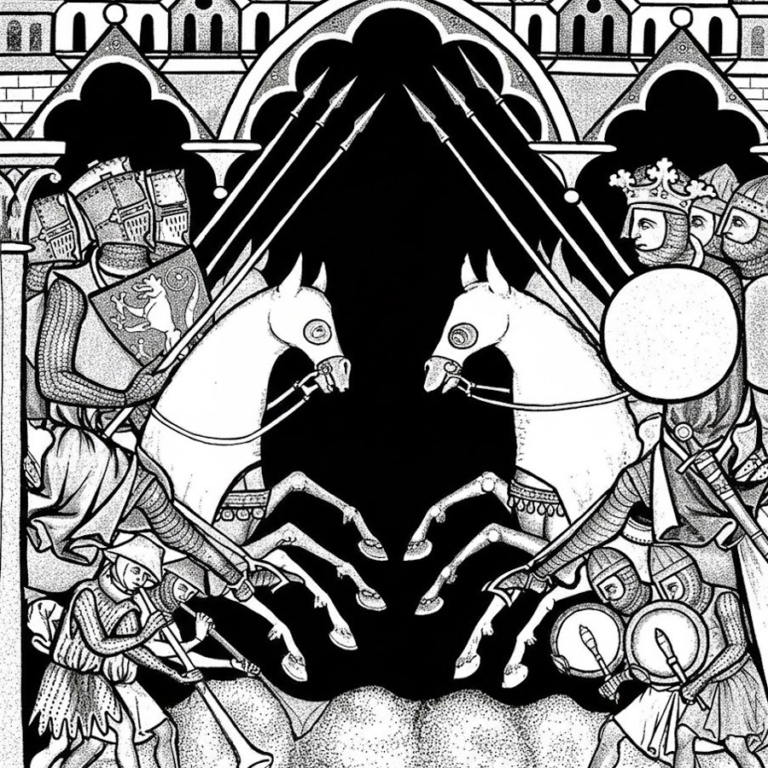
Medieval weapons reflect the evolution of warfare, technology, and social structure in Europe before the widespread use of firearms. From early Viking axes and spears to the refined swords, polearms, and ranged weapons of the Late Middle Ages, medieval arms developed in direct response to armor, battlefield tactics, and craftsmanship. Understanding historical weapons is essential for reenactors, collectors, and anyone interested in how combat shaped medieval society.
This guide explores medieval weapons across key European periods and cultures, with a focus on functional weapon types, historical usage, and the 14th and 15th centuries, when medieval weapon design reached peak specialization.
WHAT ARE MEDIEVAL WEAPONS?
Medieval weapons are arms used in Europe roughly between 500 AD and 1500 AD, spanning the Early, High, and Late Middle Ages. These weapons were designed for cutting, thrusting, crushing, or piercing armor, and varied widely depending on region, period, and combat role.
Weapons ranged from simple agricultural tools adapted for war to highly engineered swords and polearms crafted by specialized smiths. Ownership and quality often reflected social status, wealth, and military role.
EARLY INFLUENCES: ROMAN, CELTIC, AND GERMANIC WEAPONS
Roman Weapon Influence
Roman military arms heavily influenced early medieval weapons. Straight swords, spears, shields, and disciplined formations carried forward into post-Roman Europe, shaping early medieval combat traditions.
Celtic Weapon Traditions
Celtic warriors favored slashing swords, spears, and shields. Many later medieval sword forms trace their lineage to Celtic blade shapes and combat styles.
Germanic and Northern European Weapons
Germanic cultures emphasized practical, versatile weapons such as axes, spears, and single-handed swords. These traditions directly influenced Viking and Northern European arms.
VIKING WEAPONS (8TH–11TH CENTURY)
Common Viking Weapons
Viking warriors typically used:
- One-handed swords
- Bearded axes
- Spears
- Seaxes (large fighting knives)
- Round shields
Swords were expensive and status symbols, while axes and spears were more common among ordinary fighters.
Weapon Use and Combat Style
Viking combat emphasized shield walls, mobility, and close combat. Weapons were designed to be durable, versatile, and effective against lightly armored opponents.
HIGH MEDIEVAL WEAPONS (11TH–13TH CENTURY)
As feudal armies developed, medieval weapons became more standardized and specialized.
Common High Medieval weapons included:
- Arming swords
- Longspears and lances
- Maces and war hammers
- Early crossbows
- Daggers such as rondels
Mounted combat and knightly warfare influenced weapon length, balance, and striking power.
14TH CENTURY MEDIEVAL WEAPONS: ADAPTING TO ARMOR
The 14th century saw major changes in weapon design as armor improved.
Key Weapons of the 14th Century
- Longswords designed for two-handed use
- Polearms such as halberds and glaives
- War hammers and pollaxes for defeating plate armor
- Improved crossbows
Weapons increasingly focused on thrusting and armor penetration rather than cutting alone.
15TH CENTURY MEDIEVAL WEAPONS: SPECIALIZATION AND REFINEMENT
The 15th century represents the height of medieval weapon specialization.
Late Medieval Weapon Types
- Longswords optimized for half-swording
- Pollaxes and bec-de-corbins
- Estocs designed purely for thrusting
- Longbows and advanced crossbows
- Early firearms appearing alongside traditional weapons
Weapons were purpose-built for specific battlefield roles, duels, and tournaments.
MAJOR TYPES OF MEDIEVAL WEAPONS
Medieval weapons are best categorized by function:
- Swords – arming swords, longswords, greatswords
- Axes – hand axes, bearded axes, poleaxes
- Polearms – spears, halberds, glaives
- Blunt Weapons – maces, war hammers, flails
- Ranged Weapons – bows, crossbows, early hand cannons
- Daggers – rondel daggers, bollock daggers
Each weapon evolved to counter specific armor and combat scenarios.
WHY MEDIEVAL WEAPONS STILL MATTER TODAY
Medieval weapons remain relevant through:
- Historical reenactment
- HEMA and martial study
- LARP and medieval festivals
- Film and television production
- Museum collections and academic research
Modern reproductions allow safe study and appreciation of historical combat traditions.
Sources & Further Reading
This overview is based on widely accepted historical research, museum collections, and surviving medieval weapons from Europe. Key references include the Royal Armouries (UK), The Metropolitan Museum of Art – Arms & Armor Collection, and The Wallace Collection, along with established scholarly works such as European Weapons and Armour by Ewart Oakeshott and Arms & Armor of the Medieval Knight by David Edge and John Miles Paddock. These sources reflect current historical consensus on medieval weapon development from the Early through Late Middle Ages.