
Medieval Clothing
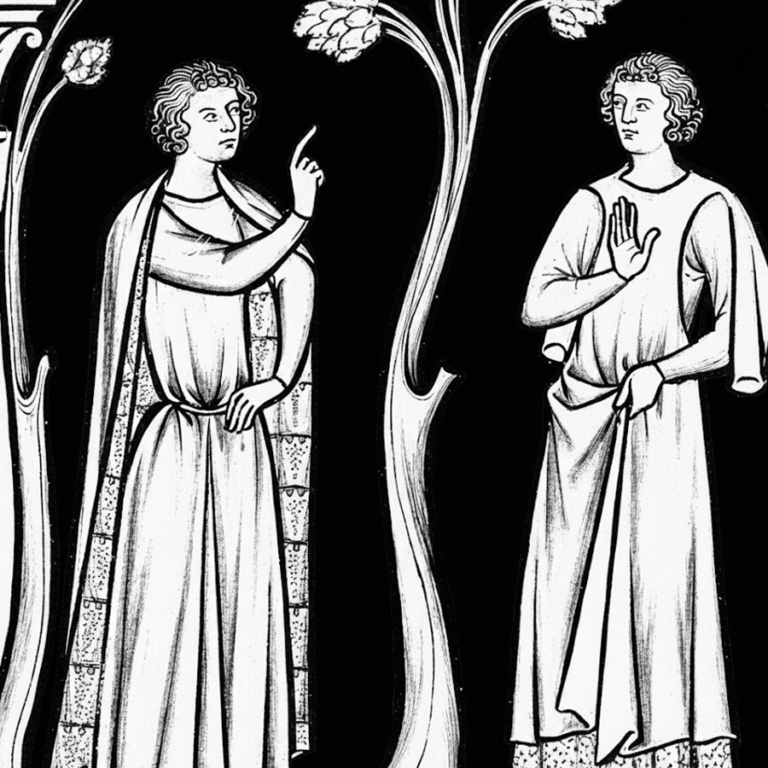
Medieval fashion tells the story of Europe long before modern fashion existed. From Viking tunics and Celtic cloaks to Roman-influenced garments and refined Italian Renaissance attire, medieval clothing evolved across centuries, regions, and cultures. Understanding historical clothing is essential not only for reenactors and collectors, but also for anyone interested in how fashion reflected identity, status, and daily life during the Middle Ages.
This guide explores medieval clothing across key European cultures and centuries, with clear distinctions between men’s and women’s garments, and special attention to the 14th and 15th centuries, when medieval fashion reached its most structured and recognizable forms.
What Is Medieval Clothing?
Garments worn in Europe roughly between 500 AD and 1500 AD, spanning the Early, High, and Late Middle Ages. Clothing during this time was primarily functional but increasingly symbolic, shaped by climate, available materials, class systems, and regional traditions.
Natural fibers such as wool, linen, and leather dominated medieval garments, while silk and fine dyes were reserved for the wealthy. Construction was simple in earlier centuries and became more tailored by the late medieval period.
Early Influences: Roman, Celtic, and Germanic Clothing
Roman Clothing Influence
Roman clothes strongly influenced early medieval dress across Europe. The tunic, worn by both men and women, became the foundation of medieval clothing. Roman styles emphasized draped fabric, belts, and layered garments, which later evolved into fitted medieval silhouettes.
Celtic Clothing Traditions
Celtic fashion favored practicality and warmth. Wool cloaks fastened with brooches, long tunics, and patterned textiles were common. Celtic garments often featured woven designs and natural dyes, making them visually distinct from Roman styles.
Germanic and Northern European Dress
Germanic clothing prioritized durability. Leather belts, trousers, heavy cloaks, and layered wool garments were standard, particularly in colder regions. These elements later influenced Viking and medieval Northern European clothing.
Viking Clothing (8th–11th Century)
Viking Clothing for Men
Viking men typically wore:
- Long wool or linen tunics
- Trousers secured with leg wraps
- Leather belts with utility pouches
- Heavy cloaks fastened with brooches
Functionality mattered more than decoration, though higher-status Vikings wore dyed fabrics and ornate metalwork.
Viking Clothing for Women
Viking women commonly wore:
- Long under-tunics
- Apron dresses secured with oval brooches
- Shawls or cloaks
- Beaded jewelry as both decoration and status symbol
Viking women’s clothing was layered, durable, and designed for daily labor.
High Medieval Clothing (11th–13th Century)
During the High Middle Ages, clothing became more refined. Trade routes expanded, bringing improved textiles and dyes. Clothing also began to signal social class more clearly.
Men’s garments became longer and more fitted, while women’s dresses emphasized vertical lines and modest silhouettes. Sleeves lengthened, belts became decorative, and tailoring improved.
14th Century Medieval Clothing: The Shift to Tailoring
The 14th century marked a turning point in medieval fashion. Clothing became more structured, introducing fitted seams and shaped garments.
Men’s Clothing in the 14th Century
Key garments included:
- Cotehardies with fitted torsos
- Shorter tunics paired with hose
- Decorative buttons and lacing
- Structured outer garments like surcoats
This era emphasized masculine silhouettes, mobility, and display.
Women’s Clothing in the 14th Century
Women’s medieval clothing featured:
- Long fitted gowns
- Buttoned sleeves and bodices
- Trains for formal wear
- Linen veils and head coverings
These garments balanced elegance with modesty and reflected rising urban wealth.
15th Century Medieval Clothing: Late Medieval Elegance
The 15th century represents the height of late medieval fashion, just before the Renaissance fully emerged.
Men’s Clothing in the 15th Century
Men wore:
- Tailored doublets
- Hose or early trousers
- Cloaks and fitted coats
- Structured shoulders and padded silhouettes
Fashion became bold, emphasizing form and craftsmanship.
Women’s Clothing in the 15th Century
Women’s garments included:
- High-waisted gowns
- Layered skirts
- Decorative bodices
- Elaborate headdresses such as hennins
Italian and Burgundian styles heavily influenced women’s fashion during this period.
Italian Medieval and Early Renaissance Clothing
Italian clothing bridged the Middle Ages and Renaissance. Fine silks, velvet, and vibrant dyes were common, especially in city-states like Florence and Venice. Italian fashion emphasized elegance, proportion, and luxury earlier than Northern Europe.
Both men and women wore highly tailored garments that laid the groundwork for Renaissance clothing traditions.
Men vs Women: Key Differences
Medieval fashion for men:
- Mobility
- Layering for work or combat
- Structured tailoring in later centuries
Medieval fashion for women:
- Long flowing silhouettes
- Layered gowns
- Social and marital status indicators
- Decorative headwear
Despite differences, both relied on natural fibers and craftsmanship.
Why Historical Clothing Still Matters Today
Historical clothing remains relevant through:
- Historical reenactment
- LARP and medieval festivals
- Film and television production
- Academic study
- Fashion inspiration
Modern historical clothing reproductions allow people to experience medieval life with accuracy and respect for tradition.