
Medieval Armor
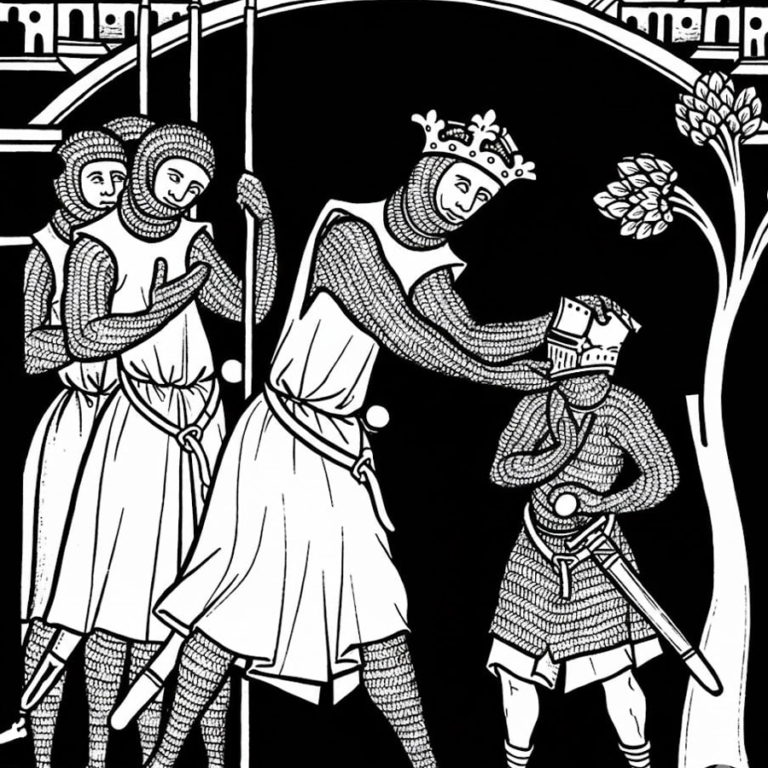
Medieval armor tells the story of warfare, technology, and social status in Europe long before firearms reshaped combat. From early chainmail worn by Viking raiders to the refined full plate armor of the 15th century, medieval armor evolved alongside weapons, tactics, and craftsmanship. Understanding historical armor is essential for reenactors, collectors, and anyone interested in how protection, mobility, and prestige defined medieval warfare.
This guide explores medieval armor across key European periods and cultures, with clear distinctions between early, high, and late medieval armor, and special focus on the 14th and 15th centuries, when armor reached its most recognizable and iconic forms.
WHAT IS MEDIEVAL ARMOR?
Medieval armor refers to defensive equipment worn in Europe roughly between 500 AD and 1500 AD, spanning the Early, High, and Late Middle Ages. Armor evolved in response to advances in weapons, metallurgy, and battlefield tactics, balancing protection with mobility.
Early armor focused on layered textiles and mail, while later centuries introduced shaped steel plates designed to deflect blows. Armor also served as a status symbol, with wealthy nobles wearing finely crafted and decorated pieces.
EARLY INFLUENCES: ROMAN, CELTIC, AND GERMANIC ARMOR
Roman Armor Influence
Roman military equipment heavily influenced early medieval armor. Mail armor (lorica hamata), helmets, and shields carried forward into post-Roman Europe. Early medieval warriors adapted Roman designs using local materials and simplified construction.
Celtic Armor Traditions
Celtic warriors favored mail shirts, shields, and helmets with regional ornamentation. While full armor was uncommon, chainmail and layered garments provided effective protection without sacrificing mobility.
Germanic and Northern European Armor
Germanic armor emphasized practicality. Mail shirts, simple helmets, and heavy shields were common. These traditions strongly influenced Viking and early Northern European armor systems.
VIKING ARMOR (8TH–11TH CENTURY)
Viking Armor for Men
Viking warriors typically wore:
- Chainmail shirts (for wealthier fighters)
- Simple iron helmets (often conical)
- Round wooden shields with iron bosses
- Quilted or padded garments beneath armor
Most Vikings relied on shields and mobility rather than full body armor.
Viking Armor for Women
Women did not typically wear armor in combat roles. However, high-status women owned protective items such as helmets or shields for household defense, and wore layered garments that influenced later padded armor designs.
Viking armor prioritized function, affordability, and adaptability.
HIGH MEDIEVAL ARMOR (11TH–13TH CENTURY)
During the High Middle Ages, armor became more standardized as feudal armies developed and mounted warfare expanded.
Common armor included:
- Long chainmail hauberks
- Coifs and mail chausses
- Nasal helmets and early great helms
- Shields evolving from round to kite-shaped
Mail armor dominated this period due to its flexibility and effectiveness against cutting weapons.
14TH CENTURY MEDIEVAL ARMOR: THE TRANSITION TO PLATE
The 14th century marked a turning point in armor development. Mail remained important, but plate elements were introduced to reinforce vulnerable areas.
Men’s Armor in the 14th Century
Key armor components included:
- Chainmail hauberks with plate reinforcement
- Breastplates worn over mail
- Plate arms and leg defenses
- Visored bascinets replacing earlier helmets
This era emphasized mobility, improved coverage, and modular armor systems.
Armor for Women in the 14th Century
Women did not wear battlefield armor, but armor craftsmanship increasingly included:
- Heraldic decoration
- Tailored fit for nobles and ceremonial use
- Defensive garments worn during sieges or travel
15TH CENTURY MEDIEVAL ARMOR: FULL PLATE ARMOR
The 15th century represents the height of medieval armor technology.
Men’s Armor in the 15th Century
Armor evolved into full plate harnesses, including:
- Fully enclosed steel breastplates
- Articulated arm and leg defenses
- Visored helmets such as sallets and armet helmets
- Integrated gauntlets and sabatons
Armor became highly specialized for different combat roles, including foot soldiers, cavalry, and tournament fighters.
Women and Late Medieval Armor
While women did not fight in plate armor, late medieval armor design influenced:
- Ceremonial armor
- Decorative armor elements
- Courtly and symbolic armor displays
TYPES OF MEDIEVAL ARMOR
Medieval armor is best understood by construction type rather than a single “medieval” category:
- Chainmail Armor – interlinked metal rings, flexible and durable
- Lamellar Armor – overlapping plates laced together
- Brigandine Armor – small plates riveted inside fabric
- Plate Armor – shaped steel plates covering the body
- Padded Armor (Gambeson) – quilted textile armor worn alone or beneath metal armor
Each type served different regions, periods, and combat needs.
WHY MEDIEVAL ARMOR STILL MATTERS TODAY
Medieval armor remains relevant through:
- Historical reenactment
- LARP and medieval festivals
- Buhurt and armored combat sports
- Film and television production
- Museum collections and academic study
Modern reproductions allow people to experience medieval warfare with historical accuracy while preserving traditional craftsmanship.
Sources & Further Reading
This overview is based on widely accepted historical research, museum collections, and surviving medieval armor from Europe. Key references include the Royal Armouries (UK), The Metropolitan Museum of Art – Arms & Armor Collection, and The Wallace Collection, along with established scholarly works such as European Armour by Claude Blair and Arms & Armor of the Medieval Knight by David Edge and John Miles Paddock. These sources reflect current historical consensus on the development of medieval armor from the Early through Late Middle Ages.